
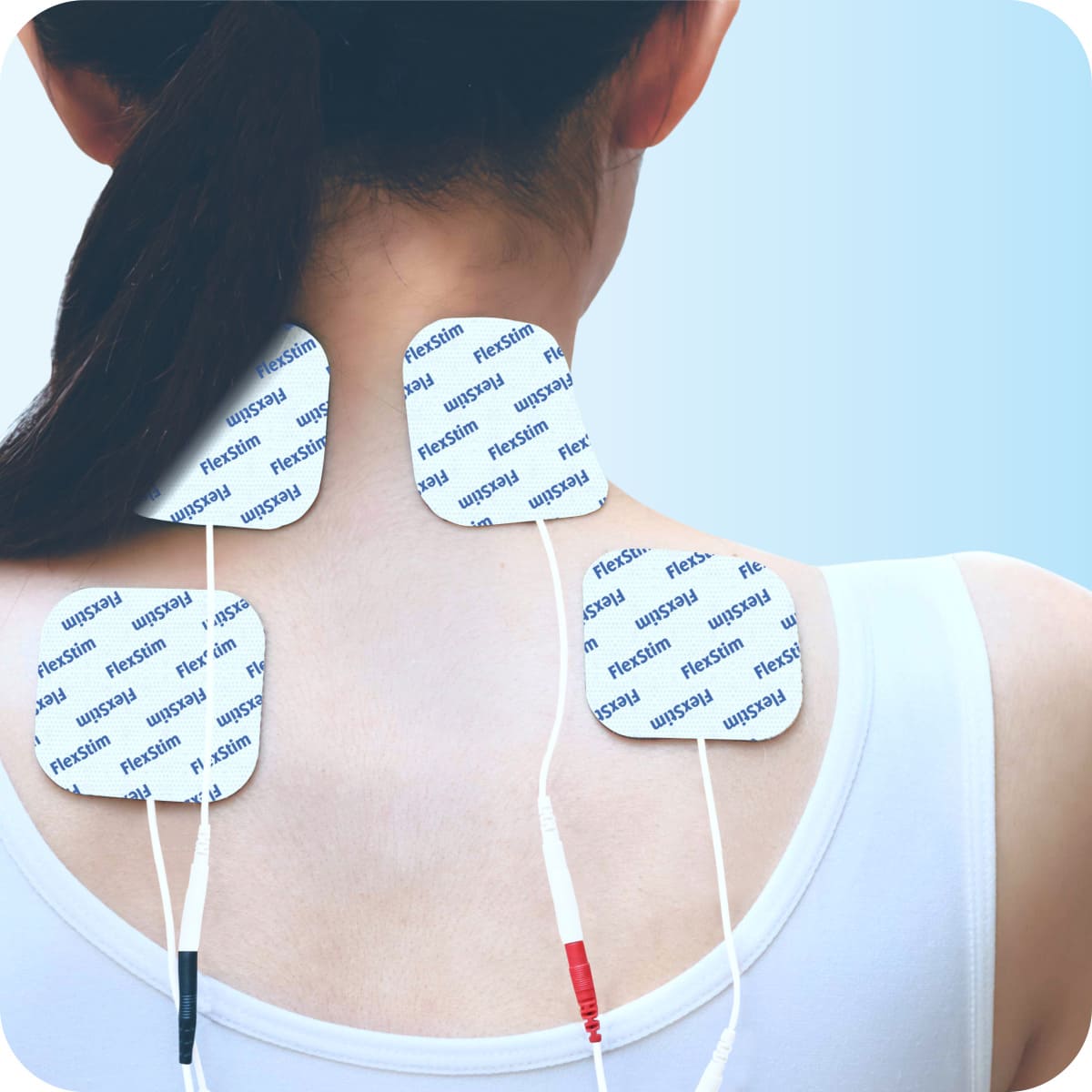
Transcutaneous Electrical Nerve Stimulation (TENS) patches—also known as TENS pads or electrodes—are widely used medical devices for pain management and physical rehabilitation. These patches deliver controlled electrical currents through the skin in a non-invasive manner, helping reduce pain and support recovery. Due to their drug-free approach, TENS patches are commonly preferred by healthcare professionals and individuals seeking safe and effective pain relief.
Key Benefits of TENS Patches
Pain Management
TENS patches are primarily used to relieve pain by blocking pain signals before they reach the brain. Electrical stimulation activates sensory nerves, reducing pain perception in the targeted area.
Non-Invasive and Drug-Free Therapy
TENS therapy offers a non-invasive alternative to medications, making it suitable for individuals who wish to avoid or reduce reliance on painkillers.
Application Guidelines and Precautions
Proper application of TENS patches is essential for effective pain relief. Users should always follow the instructions provided with the device and avoid placing electrodes on broken, inflamed, or irritated skin.
Before starting TENS therapy, consultation with a healthcare professional is strongly recommended—especially for individuals with underlying medical conditions or during pregnancy.
Importance of Correct Electrode Placement
Correct electrode placement plays a critical role in the effectiveness of TENS therapy. Placing electrodes near the affected area allows targeted stimulation of nerves responsible for pain transmission. Healthcare professionals can guide patients on optimal electrode positioning to achieve maximum benefit.
TENS Modes and Stimulation Patterns
Many modern TENS devices offer multiple stimulation modes, including continuous, burst, and modulated patterns. Each mode delivers a different type of electrical stimulation, allowing customization based on pain type and patient comfort.
Medico Electrodes manufactures TENS patches compatible with various TENS devices and stimulation modes, ensuring reliable performance across different therapy settings.
How TENS Patches Work: Gate Control Theory
The effectiveness of TENS therapy is largely explained by the Gate Control Theory of pain. According to this theory, electrical stimulation from TENS patches activates larger nerve fibres, which block pain signals transmitted by smaller nerve fibres. This mechanism reduces the perception of pain at the spinal cord level before it reaches the brain.
Tolerance, Adaptation, and Therapy Optimization
Some individuals may develop tolerance to TENS therapy over time, leading to reduced effectiveness. To prevent this, healthcare professionals may recommend adjusting stimulation parameters, rotating electrode placement, or combining TENS with other pain management approaches.
Session Duration and Treatment Consistency
Typical TENS sessions last between 15 and 60 minutes, depending on the condition being treated and device settings. Longer sessions do not necessarily lead to better outcomes. Consistent and compliant use of TENS therapy, following a prescribed treatment plan, is key to achieving optimal pain relief.
Effectiveness in Chronic Pain Conditions
TENS therapy has shown promising results in managing chronic pain conditions, including musculoskeletal pain, neuropathic pain, and joint disorders. While individual responses may vary, TENS remains a valuable option for long-term pain management.
Clinical Applications of TENS Therapy
TENS patches have been used across a wide range of medical conditions, including:
- Fibromyalgia and fibromyalgia-related fatigue
- Muscle spasms and overuse injuries
- Chronic neck and shoulder pain
- Trigger points and localized muscle pain
- Phantom sensations, including phantom limb pain and phantom itch
- Chronic pelvic inflammatory disease (PID)
- Interstitial cystitis (IC)
- Postherpetic neuralgia
- Multiple sclerosis–related pain
- Post-mastectomy pain
- Chronic whiplash-associated disorder (WAD)
- Complex Regional Pain Syndrome (CRPS)
- Post-surgical pain management
- Chemotherapy-induced painful neuropathy
This wide range of applications highlights the versatility of TENS therapy in clinical practice.
Pre-Programmed TENS Devices and Ease of Use
Some TENS systems include pre-programmed treatment modes designed for specific pain types or body regions. These features simplify therapy by allowing users to select appropriate settings without complex adjustments.
Safety Considerations
While TENS therapy is generally safe, improper use may increase pain sensitivity in some cases. This reinforces the importance of correct electrode placement, appropriate intensity settings, and professional guidance.
Conclusion
TENS patches are effective, non-invasive tools for pain management and rehabilitation. They offer a reliable, drug-free alternative for individuals dealing with acute and chronic pain conditions. When used correctly and under professional guidance, TENS therapy can significantly improve quality of life.
By choosing high-quality products from trusted manufacturers like Medico Electrodes, healthcare providers and patients can ensure safe application, consistent performance, and better therapeutic outcomes.