
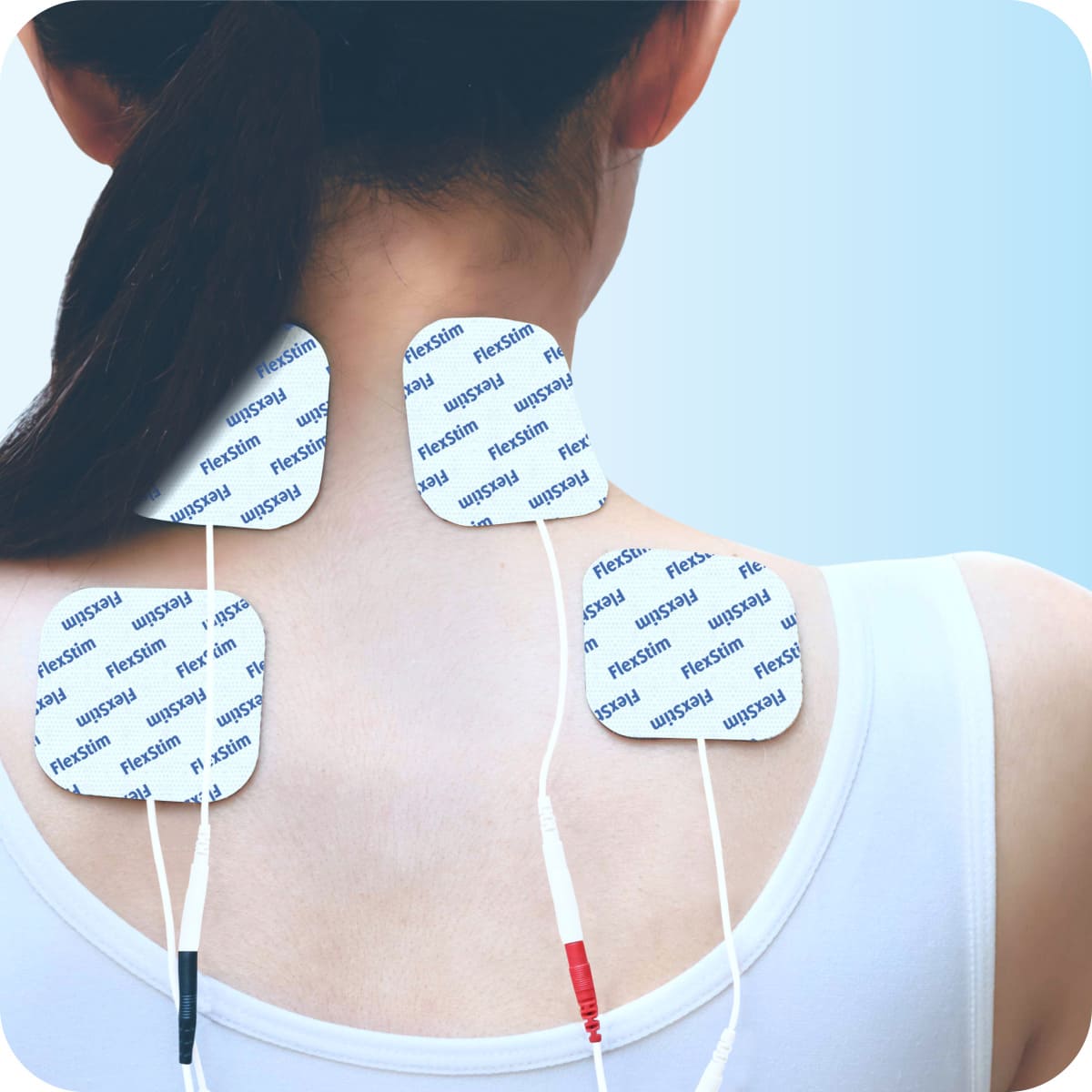
Transcutaneous Electrical Nerve Stimulation (TENS) is a widely used electrical stimulation technique designed to provide symptomatic pain relief. It works primarily by activating the pain gate mechanism and the body’s endogenous opioid system. TENS patches, also known as TENS electrodes, deliver controlled electrical impulses through the skin to stimulate sensory nerves and reduce pain perception.
When used correctly, research indicates that TENS therapy can provide significantly better pain relief than placebo treatment, although results may vary depending on the type and severity of pain being treated.
Why and How TENS Is Used
TENS patches are commonly used to manage pain and muscle spasms associated with a wide range of conditions. These include:
- Musculoskeletal pain and muscle spasms
- Fibromyalgia and premenstrual syndrome (PMS)
- Knee pain and joint discomfort
- Endometriosis-related pelvic pain
- Sports injuries and accident-related pain
High-quality TENS patches, such as those manufactured by Medico Electrodes, ensure consistent stimulation, good skin adhesion, and patient comfort during therapy.
Common Applications of TENS Therapy
TENS devices are portable, lightweight, and easy to use, making them suitable for both clinical and home settings. They can be worn discreetly at work or while traveling and are typically carried in a pocket, on a belt, or held in hand.
TENS therapy can be used daily for extended periods; however, it should not be used while driving, operating heavy machinery, or during activities involving water exposure.
Proper Pad Placement and Safety Guidelines
Before applying TENS patches, ensure the device is switched off. Pads should be placed at least 2.5 cm (1 inch) apart on either side of the painful area.
TENS patches should not be placed:
- On the front or sides of the neck
- Near the eyes or mouth
- On broken, inflamed, or infected skin
- Over areas with reduced sensation or severe varicose veins
- Directly on the chest or upper back without medical guidance
Correct placement plays a critical role in treatment effectiveness and safety.
Activating the TENS Unit and Adjusting Intensity
Once the pads are positioned correctly, turn on the TENS device. Users typically feel a mild tingling sensation as electrical impulses pass through the skin. Intensity should always start at a low level and be gradually increased until the sensation is strong but comfortable.
If the stimulation becomes painful or uncomfortable, the intensity should be reduced immediately. After completing a session, the device should be switched off before removing the electrodes from the skin.
Understanding Current Resistance in the Human Body
Electrical current flow through the body is influenced by tissue impedance, which determines how easily electrical signals pass through biological tissues. Impedance is affected by both resistive (ohmic) properties and capacitive elements.
Tissues with high water content, such as muscles, nerves, and blood, offer lower resistance, while tissues like fat, bone, and the outer layer of the skin provide higher resistance. In TENS therapy, capacitive reactance becomes particularly relevant due to the use of alternating current at frequencies typically ranging from 2 to 200 Hz.
How TENS Works: Pain Relief Mechanisms
TENS therapy reduces pain primarily through two mechanisms:
Pain Gate Mechanism
This mechanism involves stimulating A-beta sensory nerve fibers, which suppress the transmission of pain signals carried by C fibers to the spinal cord and brain. High-frequency stimulation, usually between 90 and 130 Hz, is commonly used for this purpose.
Endogenous Opioid System
TENS can also stimulate the body’s natural pain-relieving chemicals, such as endorphins. Optimal stimulation frequency may vary between individuals, making patient-controlled adjustment an important part of effective therapy.
Effectiveness of TENS in Chronic Pain
Several systematic reviews have evaluated the effectiveness of TENS therapy for chronic pain conditions. While some studies suggest potential benefits, the overall quality of evidence remains low. As a result, firm conclusions regarding its effectiveness cannot always be drawn, and outcomes may vary significantly between individuals.
Despite this, TENS remains a widely used adjunct therapy due to its non-invasive nature, ease of use, and low risk profile.
Possible Complications and Contraindications
TENS therapy is generally considered safe and well tolerated. However, it is not recommended for individuals with pacemakers, epilepsy, or during pregnancy unless under strict medical supervision.
Potential side effects may include:
- Skin irritation or contact dermatitis
- Allergic reactions to electrode pads
- Rare occurrences of dizziness, nausea, or syncope
To address skin sensitivity issues, Medico Electrodes offers hypoallergenic TENS patches designed for improved skin compatibility.
TENS devices should never be used while driving or operating heavy machinery due to safety risks.
Conclusion
TENS patches are widely used across medical specialties, including pain management, orthopedics, neurology, dentistry, physical therapy, chiropractic care, hospice, and palliative medicine. They offer a non-invasive, flexible, and patient-friendly approach to pain management.
Before initiating TENS therapy, patients should undergo a proper pain assessment by trained healthcare professionals and receive clear instructions on device usage, pad placement, and contraindications. With high-quality products from trusted manufacturers like Medico Electrodes, TENS therapy can be a safe and effective component of comprehensive pain management strategies.