
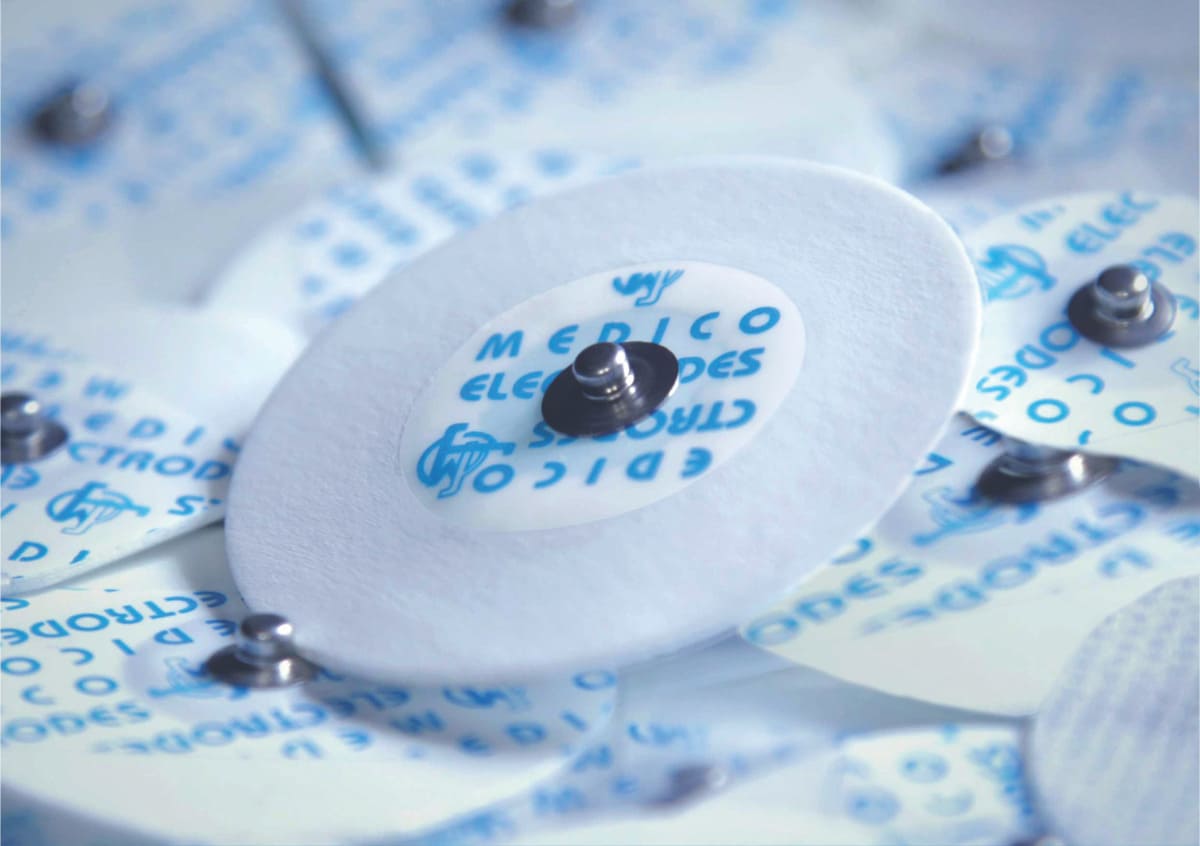
The way we manage pain, rehab muscles, and improve general well-being is changing due to electrode pads, which are frequently an essential component of TENS (Transcutaneous Electrical Nerve Stimulation) and EMS (Electrical Muscle Stimulation) machines. The conduits through which electrical impulses interact with our physiology are these inconspicuous adhesive pads, which serve as more than merely a crucial part of these devices. The global transcutaneous electrical nerve stimulation market, valued at USD 300 million in 2021, is projected to grow at a CAGR of 3.84% from 2022 to 2030, driven by the rising demand for pain relief solutions. Simultaneously, the global Electronic Manufacturing Services (EMS) market is expected to expand from $534.62 billion in 2023 to USD 856.20 billion by 2030, with a CAGR of 7%, reflecting substantial growth in the electronics manufacturing sector.
To maximize the potential of ECG electrodes and realize their benefits, it is essential to comprehend the science that lies behind electrode pads. Let’s explore the blog to learn more about electrode pads.
Understanding Electrode Pads
Composition and Materials: ECG pads are primarily made from hydrogel or cloth/foam materials. Hydrogel pads, favored in clinical settings, have water-based conductive properties for efficient electrical conduction. Cloth or foam pads, reusable and suitable for home use, feature a conductive layer.
Adhesive Properties: Electrode pads must adhere firmly to the skin for stable connections. They use medical-grade adhesives, safe for the skin, with hypoallergenic options for sensitive individuals.
Shape and Size Variations: ECG pads come in various shapes (square, rectangular, oval, circular) and sizes to suit different treatment areas and precision needs.
Connection Mechanisms: Lead wires connect pads to TENS or EMS units. They can use snap connectors, pin connectors, or modern wireless Bluetooth technology.
Transmission of Electrical Signals: Pads transmit controlled electrical pulses the device generates to the skin.
Skin-Electrode Interface: The conductive properties of pads facilitate electrical current passage through the skin, reaching nerves or muscles.
Minimizing Skin Irritation: ECG electrodes are designed to minimize skin irritation, using hypoallergenic materials and proper skin preparation.
Adjustable Parameters: TENS and EMS units offer adjustable parameters (frequency, pulse width, intensity) for tailored therapy.
How Electrode Pads Generate Therapeutic Effects
Pain Management in TENS Units:
In TENS units, electrode pads are strategically placed on or near the area experiencing pain. The electrical signals the unit delivers stimulate sensory nerves in the skin, generating a tingling or buzzing sensation. This sensory input effectively competes with and overrides the transmission of pain signals to the brain. In essence, TENS pads “close the gate” to pain perception, providing relief to the patient.
Adjustable parameters, such as frequency and pulse width, enable healthcare experts to fine-tune the therapy, targeting specific nerve fibers responsible for transmitting pain signals. This customization ensures both effectiveness and patient comfort.
Muscle Stimulation in EMS Units:
In EMS units, electrode pads are positioned over the muscles requiring stimulation. The device’s electrical impulses emulate the body’s natural neuromuscular signals, causing the muscles to contract and relax. This cyclical contraction and relaxation cycle helps strengthen muscles, improve circulation, and prevent muscle atrophy, making EMS pads invaluable in rehabilitation and physical therapy.
Once again, adjustable parameters come into play, allowing healthcare experts to tailor the therapy to the patient’s needs. The frequency and pulse width can be adjusted to target specific muscle groups and achieve the desired level of muscle activation.
Safety Considerations
While TENS and EMS therapy offer substantial benefits, healthcare experts must prioritize safety:
Avoiding Skin Burns and Irritation: Proper adhesion of electrode pads and the use of appropriate intensity levels are crucial to prevent skin burns or irritation. Continuous monitoring of the patient’s skin during therapy sessions is essential.
Monitoring Patient Responses: Healthcare experts should closely monitor patients during TENS and EMS therapy to assess their comfort levels and make necessary parameter adjustments. Patients should be educated on how to communicate any discomfort or adverse reactions.
Regular Maintenance and Replacement: Electrode pads have a finite lifespan and may lose their adhesion or conductivity over time. Healthcare experts must ensure patients replace pads as recommended to maintain treatment efficacy and safety.
Wrapping Up
Understanding the science behind electrode pads in TENS and EMS units is essential for healthcare experts to optimize patient care. Electrode pads are an essential component of TENS and EMS units. These devices use low-voltage electrical currents to treat pain, relax muscles, and improve muscle strength. Medico offers high-quality electrode pads and healthcare products to enhance patient care. Explore Medico’s trusted products for superior healthcare. Contact us now for more information!