
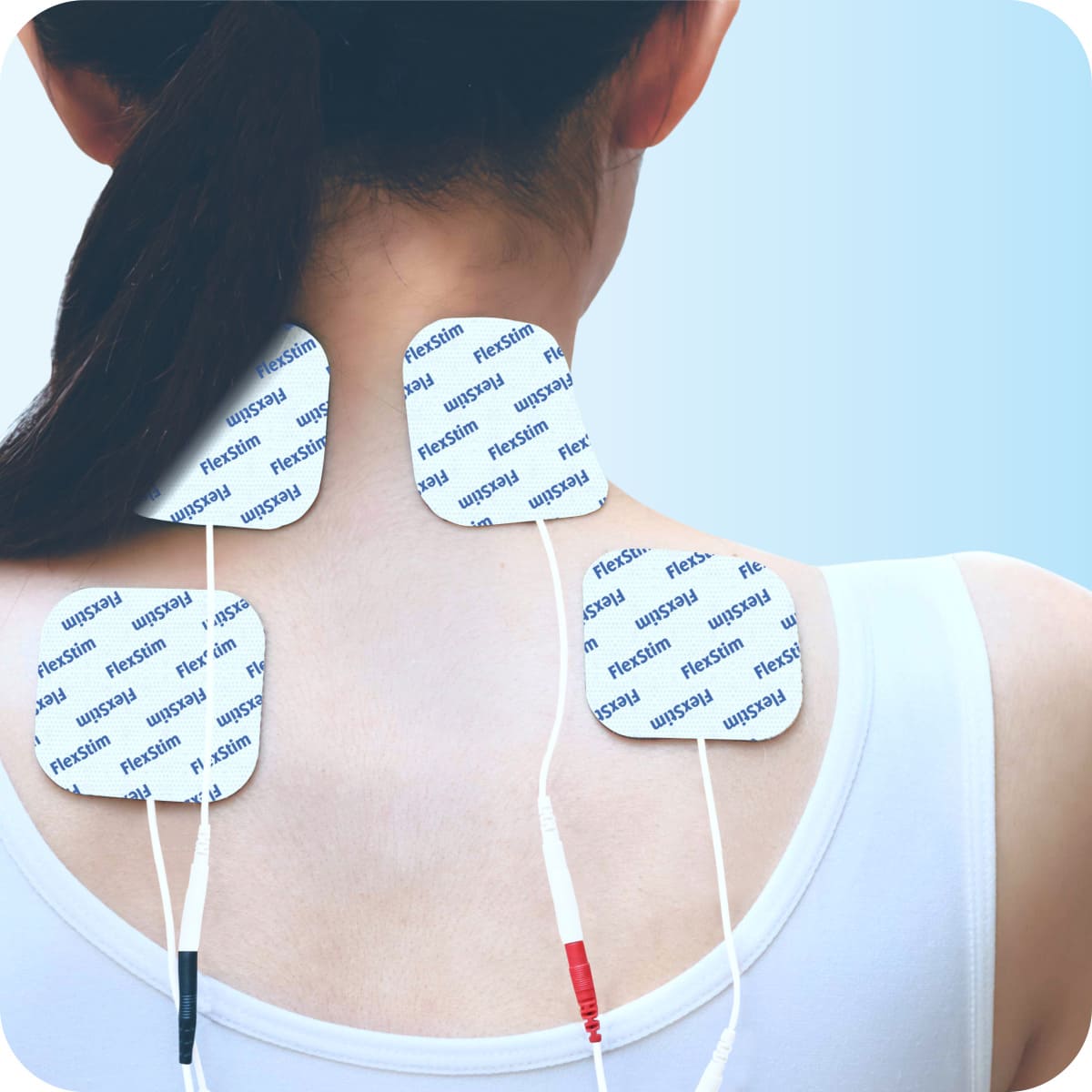
Most people who start using a TENS machine focus on the device or the pads. Fair enough—that’s what you see and use directly.
But there’s one small component that quietly affects everything: the gel.
If the gel isn’t right, the whole experience feels off. Either the stimulation isn’t consistent, or the pads don’t sit properly, or the session just feels… uncomfortable.
At Medico Electrodes, this is something we hear quite often from users who are otherwise doing everything correctly.
So, What Does the Gel Actually Do?
In simple terms, it helps the current travel smoothly from the electrode into your skin.
TENS therapy works by sending mild electrical signals that interfere with pain signals and trigger natural pain relief mechanisms. But that only works when the contact is even and stable.
The gel helps with that. It fills tiny gaps between the skin and the electrode, which makes the signal more consistent.
Without it, you might notice:
- Slight shocks or uneven tingling
- Weak stimulation in some areas
- Pads lifting during the session
What Should You Pay Attention To?
There’s no need to overcomplicate this, but a few things really do matter.
Conductivity Comes First
If the gel doesn’t conduct properly, nothing else matters.
A proper TENS gel is made to reduce resistance and allow smooth current flow. That’s what gives you that steady, controlled sensation instead of patchy stimulation.
It Should Feel Easy on the Skin
You’re not using this once—you’re using it again and again.
So if the gel feels irritating after a few sessions, that’s already a sign it’s not the right one.
A good gel should sit on the skin without causing redness, itching, or that dry, uncomfortable feeling afterward.
It Needs to Hold—But Not Too Much
This part is a bit subjective.
You want the electrodes to stay in place, especially if you move slightly during the session. But at the same time, it shouldn’t feel overly sticky or messy.
If you’ve ever had to struggle to remove residue after a session, you’ll know what I mean.
Cleanup Shouldn’t Be a Task
Some gels leave behind a layer that takes effort to clean. Over time, that also affects the pads.
Ideally, it should come off easily with water. No scrubbing, no stickiness left behind.
Storage (Often Ignored, But Important)
Even a good gel won’t stay good forever if it’s not stored properly.
Leaving it open or exposing it to heat can change its texture. And once that happens, performance drops.
If it looks dry, separated, or different from when you bought it—it’s probably time to replace it.
Small Things That Make a Big Difference
Before applying the electrodes, just take a minute:
- Clean the area (no oil or lotion)
- Let the skin dry completely
- If there’s hair, trim it instead of shaving
It sounds basic, but these steps alone can improve how the session feels.
If Something Feels Off…
Usually, it comes down to one of these:
Pads not sticking well
Could be oil on the skin, or the gel has lost its quality.
Skin irritation
Sometimes it’s overuse, sometimes the gel just doesn’t suit your skin.
Weak or uneven sensation
Often linked to poor conductivity or worn-out electrodes.
It’s rarely the machine itself.
Is It Okay to Go for Cheaper Options?
It depends on how often you use TENS.
If it’s occasional, you might not notice much difference. But with regular use, lower-quality gels tend to dry out faster and give inconsistent results.
A better gel usually lasts longer and keeps the experience more predictable.
Final Thought
TENS therapy isn’t complicated, but it’s sensitive to small details. The gel is one of those details that most people overlook at first.
Once you get it right, though, the difference is noticeable—not dramatic, but definitely there.
That’s why at Medico Electrodes, the focus is not just on the main products, but also on the supporting components that make the whole system work better.
Because in the end, it’s not about using the device—it’s about how well it works for you.