
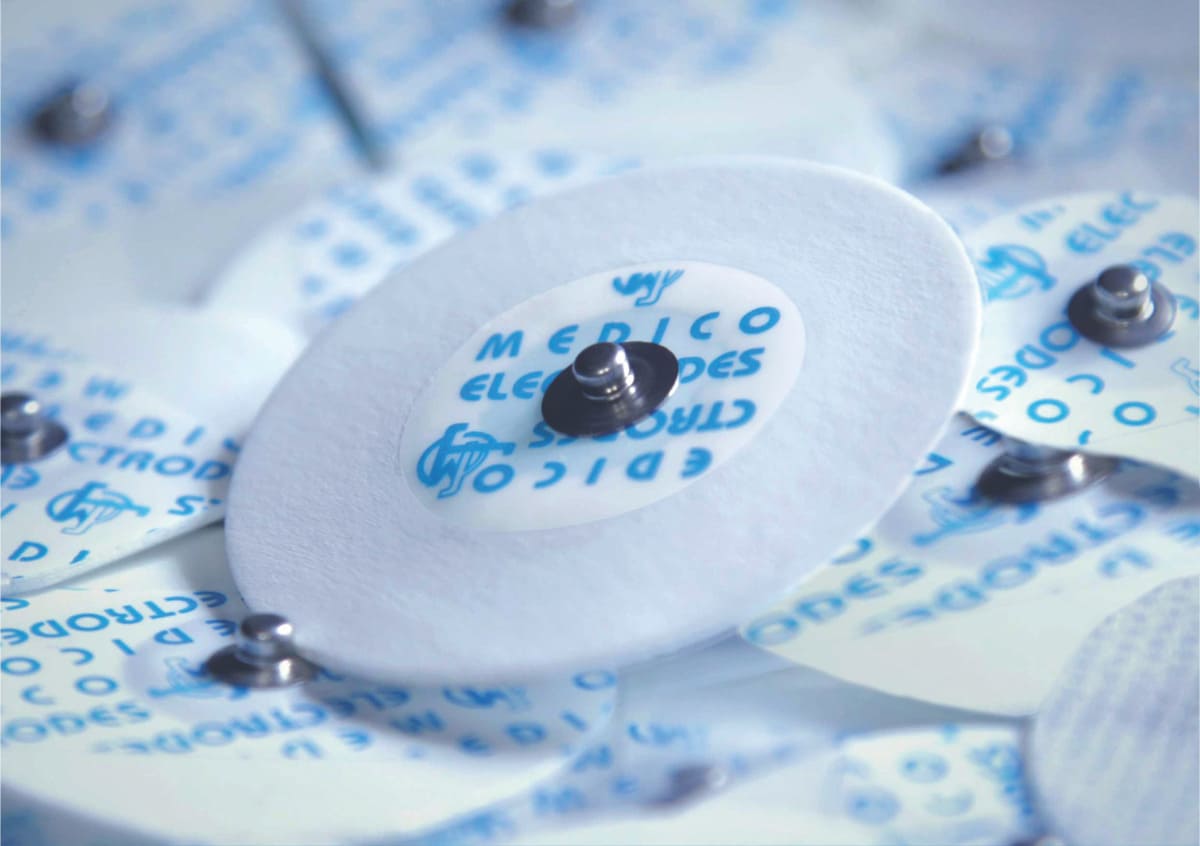
Magnetic Resonance Imaging (MRI) has revolutionized medical diagnosis, treatment planning, and monitoring by providing precise and clear insights into the complexity of the human body. This pivotal technology offers unparalleled information about numerous medical conditions. However, utilizing MRI requires meticulous attention to detail, especially when selecting and using the necessary equipment and accessories.
This guide aims to provide you with the necessary knowledge to make informed decisions when choosing medical ECG electrodes for MRI procedures. By optimizing these choices, you can ensure both patient safety and high-quality images.
Understanding the MRI Environment
MRI machines use strong magnetic fields, radio waves, and advanced computer systems to produce detailed images of the body’s tissues. These magnetic fields can interact with certain materials, such as metals, and pose significant safety risks. When choosing electrodes for MRI environments, it is essential to consider the following factors carefully:
Magnetic Compatibility: To safely use electrodes medical in MRI scans, they must be non-magnetic or have shallow magnetic susceptibility. This is because materials with magnetic solid properties, like ferromagnetic materials, can pose a severe risk of the presence of the powerful magnetic fields used in MRI machines. They could potentially become dangerous projectiles if not adequately designed for compatibility.
Radiofrequency (RF) Compatibility: When it comes to MRI machines, medical ECG electrodes need to be compatible with radiofrequency (RF). These machines use RF pulses to generate images, and if the electrodes cause interference, it can affect the quality of those images. That’s why MRI-compatible electrodes need to have minimal RF interference properties.
Safety: Safety is of utmost importance in the MRI environment. Ensuring that the electrodes used pose no risks to patients and healthcare professionals is crucial. This includes taking measures to prevent excessive heating of the electrodes during the MRI procedure.
Choosing MRI-Compatible Electrodes
Now that we have gained more insight into the MRI environment let’s delve into the various options for MRI-compatible electrodes and discuss how to select the most suitable ones.
Carbon Electrodes: Carbon electrodes are a reliable and widely favored option for MRI applications. Unlike metallic counterparts, carbon electrodes are non-magnetic and pose no risks in the MRI environment. These electrodes boast exceptional electrical conductivity and can seamlessly integrate with different recording and monitoring equipment.
Silver/Silver Chloride (Ag/AgCl) Electrodes: These ECG medical electrodes have found widespread use in medical and research settings due to their non-magnetic properties and low RF interference. These qualities make them particularly suitable for MRI applications. During MRI scans, Ag/AgCl electrodes are commonly used in electrocardiography (ECG) and electromyography (EMG).
Non-Metallic Electrodes: For MRI procedures, non-metallic electrodes made from carbon fiber or plastic materials are highly recommended. The electrodes possess qualities like non-magnetic, lightweight, and minimal RF interference. They are commonly utilized in research applications and functional MRI (fMRI).
MRI-Compatible Lead Wires: Using MRI-compatible lead wires or cables is crucial when performing an MRI scan. These wires should be specifically designed to minimize any interference from radiofrequency waves and are made from non-metallic materials.
Disposable vs. Reusable Electrodes: When choosing electrodes for your specific application, it’s essential to consider whether you require disposable or reusable ones. Disposable electrodes are convenient for single-use situations and offer a reduced risk of cross-contamination. On the other hand, reusable electrodes are more cost-effective in the long run but do require proper cleaning and maintenance.
Size and Shape: When selecting electrodes for monitoring or stimulation purposes, it is crucial to consider the size and shape that are most suitable for the specific area of the body. This ensures optimal contact and performance by aligning with the patient’s anatomy.
Liquid Gel Electrodes and Solid Gel Electrodes: There are two types of electrodes: Liquid Gel and Solid Gel electrodes. Liquid Gel electrodes offer better conductivity and contact with the skin, but they might require extra cleaning after use. On the other hand, solid gel electrodes are easier to maintain but may provide slightly lower conductivity.
Adhesive Quality: The adhesive used in disposable electrodes should be gentle on the skin, causing no irritation and ensuring consistent electrode-skin contact throughout the MRI procedure.
Compatibility with Monitoring Equipment: Check that the medical electrodes you select are compatible with your monitoring or recording equipment. Certain electrodes may have specific connectors or impedance requirements.
Maintaining MRI-Compatible Electrodes
Once you’ve selected the suitable MRI-compatible electrodes, it’s essential to maintain them properly to ensure their longevity and performance. Here are some tips for electrode maintenance:
Cleaning: If using reusable electrodes, follow the manufacturer’s instructions for cleaning and disinfection. Use appropriate cleaning solutions to remove gel residue or skin oils.
Storage: Store electrodes in a cool, dry place and protect them from excessive heat or moisture. Proper storage helps maintain adhesive quality.
Inspection: Before each use, inspect electrodes for any signs of damage, wear, or deterioration. Discard any electrodes that appear damaged.
Skin Preparation: Properly prepare the skin before applying electrodes by cleaning it and removing excess hair or oils. This ensures better electrode-skin contact.
Wrapping Up
Choosing MRI-compatible electrodes is crucial when working in an MRI setting. The strong magnetic fields and radio frequency interfere present unique challenges that require careful consideration of the materials and designs used for the electrodes. Medico Electrodes is a leading provider of high-quality MRI-compatible electrodes. Medico specializes in providing top-notch MRI-compatible electrodes. Our electrodes are meticulously crafted using the highest quality materials to ensure precise and dependable recordings. We offer many electrode options to cater to your specific requirements. For more information about Medico’s exceptional electrodes, please visit our website or reach out to us today.